This recipe was given to me many years ago by my sister, Robyn.
In the UK, the word 'rusk' tends to conjure up images of an
oversized tea biscuit given to
teething babies. In South Africa, a rusk is an altogether different thing, enjoyed with (and dunked in) coffee.
During my teens, my extended family often went en
masse on holiday to the
Drakensburg mountains during the winter, and I have fond memories of rusks with coffee for breakfast on those freezing (no central heating in South Africa) mornings before heading off on a hike. If you really want to be decadent, you sweeten the coffee with condensed milk. Now that
really takes me back!
Perhaps it would be best for non-South Africans to relate to these rusks more in the way they would relate to
biscotti. In fact, the Afrikaans word for rusk is '
beskuit', so there is probably some shared heritage somewhere along the line.
Apparently the origin of the word 'biscuit/
biscotti' (which, strictly speaking, is what '
beskuit' means, although it isn't quite that straightforward in practice) means 'twice baked'. That perfectly describes how rusks are prepared. I have to warn you of a few things:
- First off, this particular recipe is very high in fibre and will have exactly the effect that you expect that would have on your digestive system - especially if you eat too many of them, which is all too easily done. In that sense, they could be considered 'health rusks'. Hence the name.
- Second, the last part of the baking process might prick your conscience in terms of carbon footprint. So you might want to do something to compensate.
- Thirdly, you are going to have to get your hands dirty, okay? This is not a recipe for a cook who goes "Eeewww!" In fact, it's probably a great recipe to make with your kids!
Oven temperature
160C and then 'low' (about 80-100C)
Ingredients
The ingredients in the original recipe are very much South African, and it references flour types that don't exist in the UK. So I will give the recipe in its original format and supply the UK substitutes in brackets.
8 cups nutty wheat (I used granary flour)
4 cups cake flour (plain flour)
2 cups sugar
1 cup bran (I struggled to find this so went with oat bran, but you might have more success)
4 tablespoons baking powder
500ml buttermilk (see note below)
250ml natural
yoghurt
50ml cooking oil (I used canola)
500g margarine/butter (I always use butter)
1 teaspoon salt
Method
- Melt butter and sugar together

- Add all dry ingredients and mix well. Forget your electric beater - you will just burn out the motor. And you would probably snap your wooden spoon. So just wash your hands really well, roll up your sleeves and do it the way your granny would.
- Add buttermilk, yoghurt and oil and mix through thoroughly. This will be when it gets really messy, but I still recommend your hands.
- Press into a greased oven pan (you know - the one that came with the oven in the first place?). This recipe is enough for two oven pans full.
- Bake at 160C for about 45 minutes (adjust as appropriate for fan assisted ovens)
- Remove from the oven (and reduce the temperature to about 80-100C)

- Cut into slices about 2.5cmX10cm or so (use your own judgement - what size rusks do you want?) and turn out onto metal cooling racks
- Dry in the oven for about 4-6 hours (or even overnight) until they are crisp right through. For this, I actually put the cooling racks straight into the oven. Avoid placing the rusks onto a solid base like a baking sheet. They need air from all sides. I actually prop the oven door slightly open during this process (this is where the carbon footprint bit comes in) by wedging an oven glove in one side.
- Enjoy with coffee. Even in the politest society, it is entirely acceptable to dunk a rusk.
Note:
It is quite tricky getting hold of buttermilk in the UK these days. In some of the bigger towns, the major supermarkets seem to stock it. But in my small town, the only supermarket that does so is
Waitrose. However, I discovered that
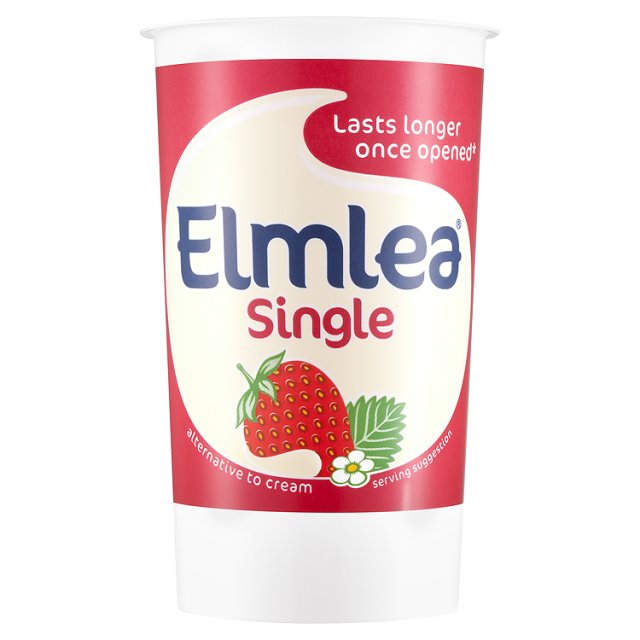
Elmlea single is 85% buttermilk. And that can be found just about anywhere. So, if you can't get buttermilk, give that a whirl.